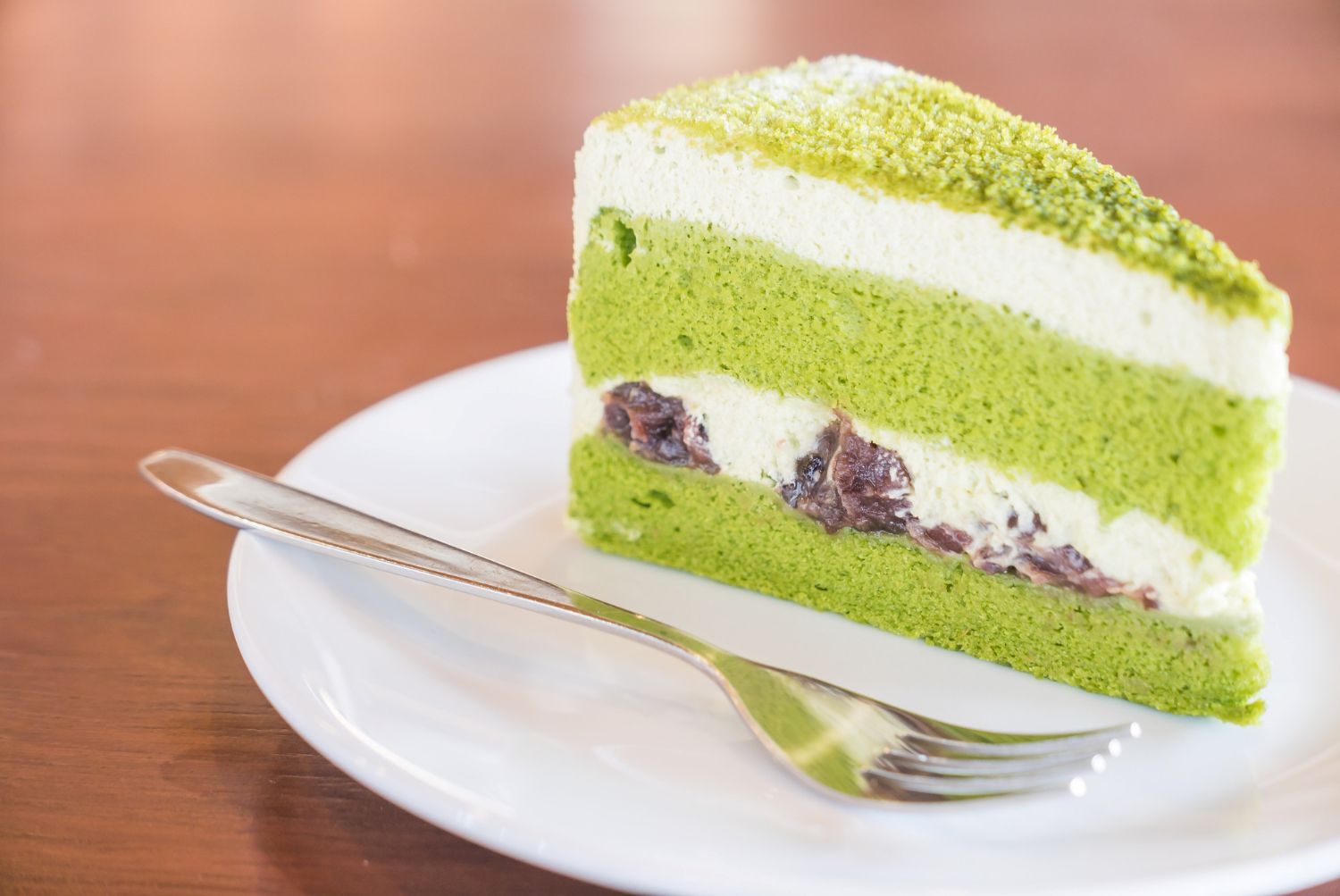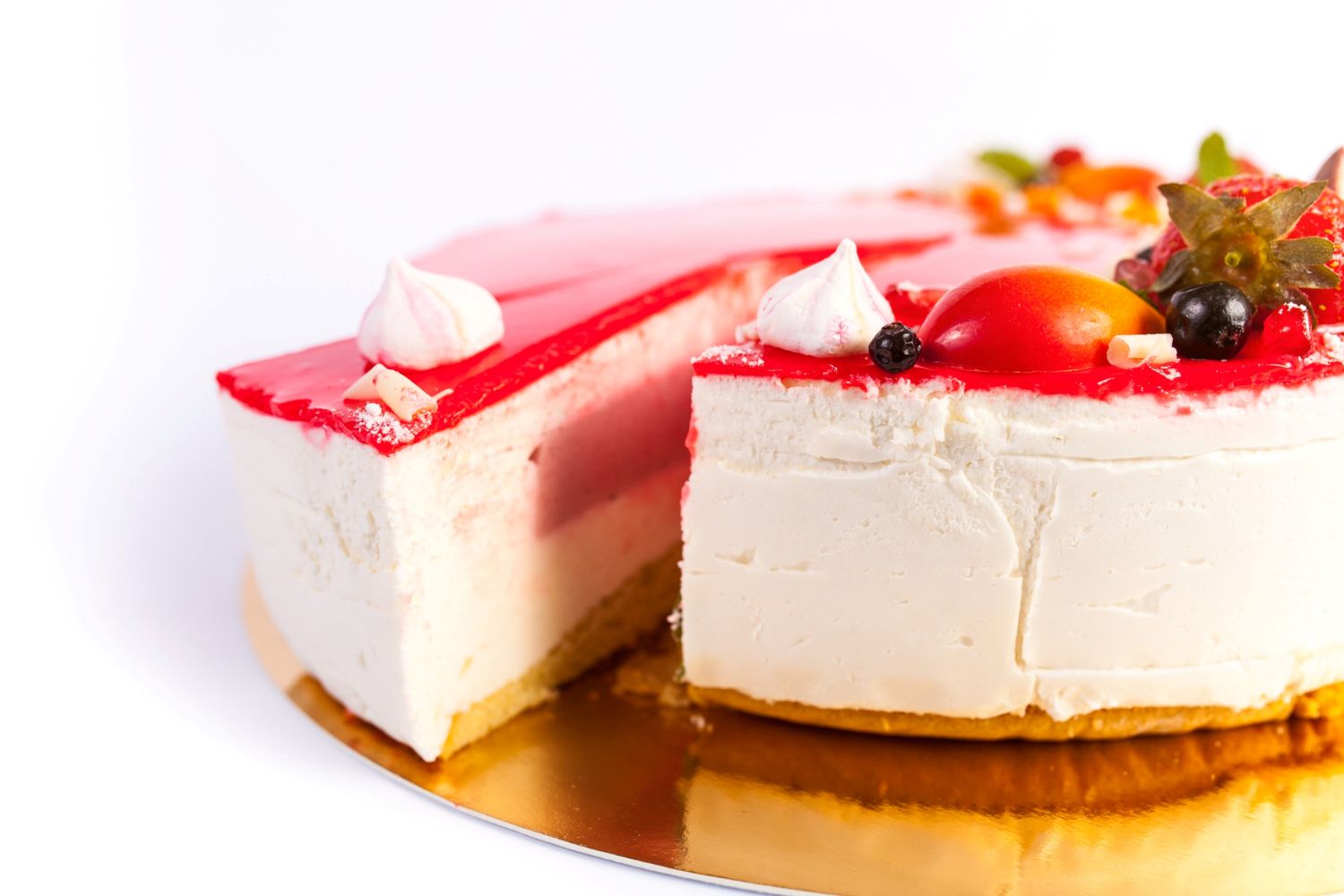
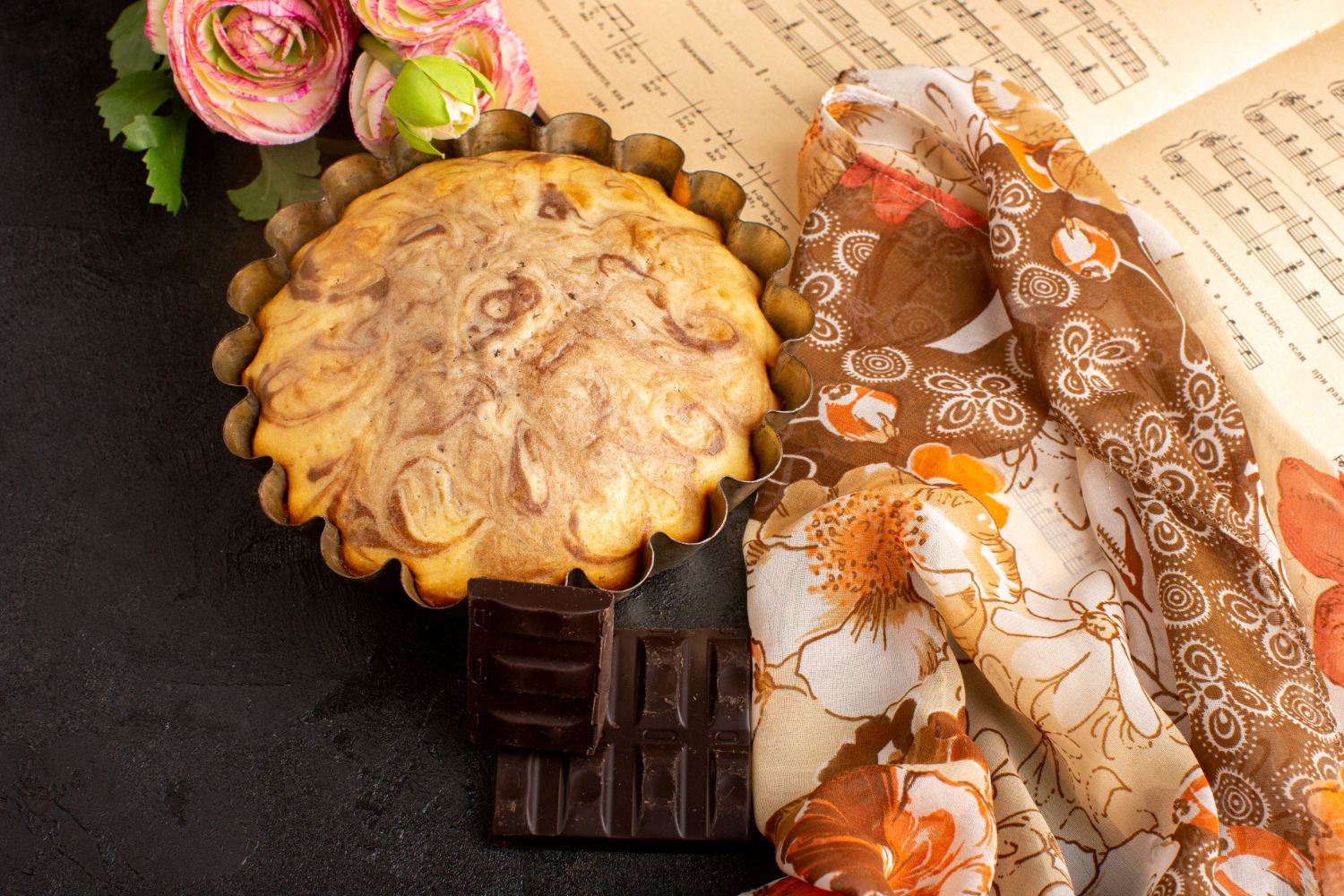
Cakes are more than just desserts—they are symbols of celebration, creativity, and indulgence. But their story stretches back thousands of years, weaving through civilizations and cultures that shaped the treat we know today.
Ancient Beginnings
The ancient Egyptians are credited as the first civilization to bake cake-like creations. Over 5,000 years ago, they mixed honey, nuts, fruits, and barley into small cakes, often offered to the gods as a symbol of gratitude and the sweetness of life.
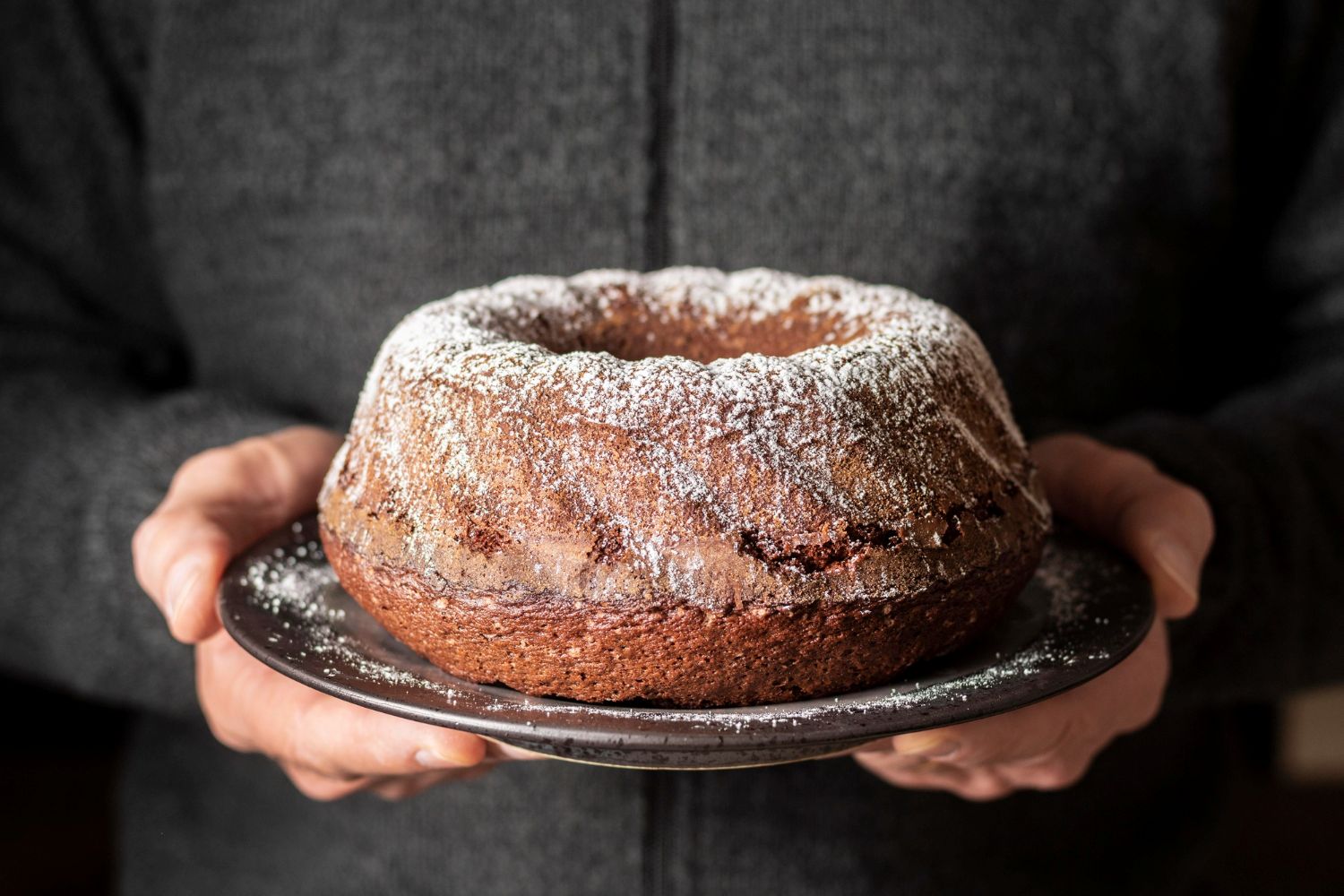
The Greeks added their own twist, using olive oil and spices like cinnamon and nutmeg, while the Romans enriched their versions with cheese, honey, and exotic flavors that spread across their empire.
Medieval Splendor
By the Middle Ages, cakes had become elaborate showpieces. Bakers crafted decorative masterpieces for weddings and feasts, adorned with frosting, edible flowers, and fruits. These creations were less about taste and more about spectacle, serving as edible art.
Renaissance Refinement
The Renaissance ushered in a golden age of baking. With the introduction of sugar and butter, cakes became richer and sweeter. Recipes were recorded and passed down, transforming cake-making into a true culinary art form.
Modern Evolution
The 19th century brought baking powder, revolutionizing cakes by making them lighter and fluffier. The 20th century saw the rise of fruit-based cakes like banana bread and carrot cake, followed by chocolate cakes and today’s exotic flavors such as red velvet and matcha.
Cakes Today
From simple sponges to towering multi-tiered masterpieces, cakes now come in endless varieties. Whether it’s a classic yellow cake with chocolate frosting or a daring flavor fusion, cakes remain at the heart of celebrations worldwide.
Closing Thought
The journey of cakes—from humble honey breads to modern-day confections—is a testament to human creativity and the universal desire to celebrate life’s sweetest moments. No matter the flavor or form, cakes will always be more than food; they are history baked into every bite.